

Prinsip Darurat: Keamanan Pertama, Kecepatan dan Efisiensi, Menghindari Kerugian Kedua
Pembersihan darurat kepala ekstruder pada mesin pembuatan makanan ikan terapung harus mematuhi tiga prinsip inti, menyeimbangkan keamanan, efisiensi, dan perlindungan kepala ekstruder,dan beradaptasi dengan skenario produksi darurat.
1. Keamanan Pertama: Bahkan dalam situasi produksi yang mendesak, penutupan, pemadaman listrik, dan prosedur pendinginan harus diikuti secara ketat (waktu pendinginan dapat dipersingkat dengan tepat,tetapi peralatan perlindungan tahan suhu tinggi harus dipakai)Membersihkan saat mesin dihidupkan atau pada suhu tinggi sangat dilarang untuk menghindari luka bakar dan sengatan listrik, dan untuk mencegah kerusakan pada kepala ekstruder akibat operasi yang tidak benar.
2Kecepatan dan Efisiensi: Sederhanakan prosedur yang tidak perlu, dengan fokus pada langkah-langkah inti dari "pemisahan-pembersihan-instalasi", memprioritaskan resolusi penyumbatan dan noda.Tujuannya adalah untuk menyelesaikan pembersihan dan resetting dalam 15-20 menit untuk mesin kecil, 20-30 menit untuk mesin ukuran menengah, dan 30-40 menit untuk mesin besar, memulihkan produksi secepat mungkin.
3Adaptabilitas Pertama: Pilih metode pembersihan yang tepat berdasarkan tingkat penyumbatan. Untuk penyumbatan kecil, gunakan "penghapusan cepat + pembersihan sederhana", dan untuk penyumbatan parah,menggunakan "sederhana rendam + unblocking yang tepat, "menghindari pembersihan acak dan memperpanjang waktu pembersihan.
Prosedur pembersihan darurat: Langkah-langkah yang disederhanakan, pembersihan cepat, fokus pada pemulihan produksi
Langkah 1: Penutupan darurat dan pemotongan listrik: Segera matikan catu daya utama untuk mesin pembuatan pelet makanan ikan terapung, cabut kabel listrik, gantung tanda peringatan,dan menugaskan personil khusus untuk memantau situasiJika suhu kepala mati terlalu tinggi, memakai peralatan perlindungan suhu tinggi dan biarkan dingin selama 10-15 menit (tidak perlu pendinginan lengkap,cukup untuk membuatnya terasa dingin untuk disentuh) untuk menghindari menunggu yang berkepanjangan dan peningkatan kerugian produksi.
Langkah 2: Rapid Die Head Disassembly: Tergantung pada model mesin, cepat buka baut pengikat dan buka kunci klip.dengan cepat menghapus kepala mati dan membongkar komponen inti (hanya membongkar pelat mati dan mati inti, tidak perlu pemisahan lengkap) untuk mengurangi waktu pemisahan.
Langkah 3: Pembersihan dan Penghapusan Cepat: Untuk penyumbatan kecil... Untuk penyumbatan kecil: Cepat sikat sisa permukaan dengan sikat khusus,dan cepat membuka lubang dengan benang plastik dan tusuk gigiUntuk penyumbatan yang parah: rendam bagian cetakan dalam deterjen netral yang diencerkan (1:5 rasio) selama 10 menit sambil menggunakan sikat untuk membuka lubangLangkah keempat, pemasangan kembali yang cepat: Setelah dibersihkan, lap kepala cetakan kering dengan kain bersih.Cepat pasang kembali sesuai dengan tanda-tandaMulai mesin dan jalankan selama 3-5 menit untuk memeriksa apakah bahan pembuangan lancar.Setelah Anda yakin mesin pembuatan tepung ikan bekerja dengan baikRincian pembersihan lebih lanjut dan pengeringan bagian secara menyeluruh akan dilakukan nanti.
Tindakan pencegahan darurat: Memperlambat risiko dan mengurangi kerusakan sekunder dan kerugian produksi pada mesin ekstruder makanan ikan
1Jangan mencoba membersihkan saat mesin dihidupkan atau pada suhu tinggi (tanpa peralatan pelindung) untuk menghemat waktu.dan kerusakan pada bahan kepala die.
2Jangan menggunakan sikat keras, pengikis logam, kawat, atau benda keras lainnya untuk dengan paksa membersihkan atau membuka kepala die.dan memperburuk kerusakan.
3Selama pembersihan darurat, jangan berusaha untuk menyeluruh mutlak. fokus pada menyelesaikan penyumbatan dan pelepasan bahan abnormal.Lakukan pembersihan dan pemeliharaan menyeluruh selama jeda produksi setelah produksi dilanjutkan.
4Bersiaplah untuk keadaan darurat terlebih dahulu dengan menyimpan alat pembersih yang biasa digunakan (kuas, pengikis plastik,deterjen netral) dan suku cadang mati untuk mengatasi situasi di mana kepala mati rusak parah dan tidak dapat dibersihkan dengan cepatHal ini akan lebih mengurangi downtime dan kerugian produksi.
Tentang Kami
Kunjungan pelanggan
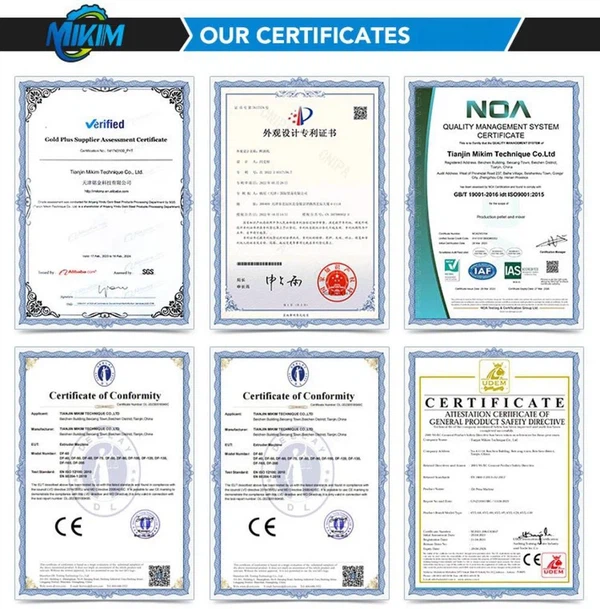
Sertifikat Kehormatan